PolySysMon
PolySysMon is constructed on a lightweight, native architecture of Google Cloud Platform. Agents gather data by SNMP, APIs, SQL, logs, or bespoke scripts, transmitting it securely to PubSub. Flexible scheduling enhances processing, while various correlators implement your unique taxonomies for immediate anomaly identification. The user-friendly Web UI offers comprehensive visibility and control with low resource expenditure.
What is it?
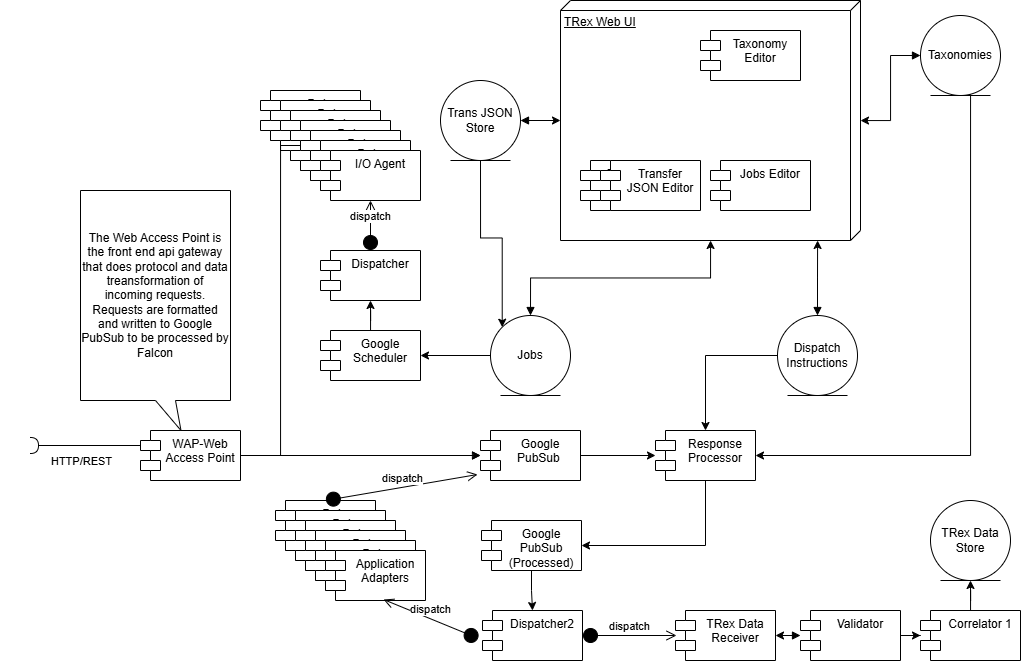
PolySysMon is an agent-based system. The agents are assigned to gather data from many sources such as SNMP, APIs, SQL, and logs. These agents can be arranged either in advance or when needed. Although all our current versions of these Collection Agents are written in Python, the agents themselves are not restricted to this language, as they are loosely coupled and communicate via HTTP REST and PubSub. Agents may also be assigned to transmit data, such as event information on defects, problems, or warnings, to a Service Management program or to email a support center.
Why it matters?
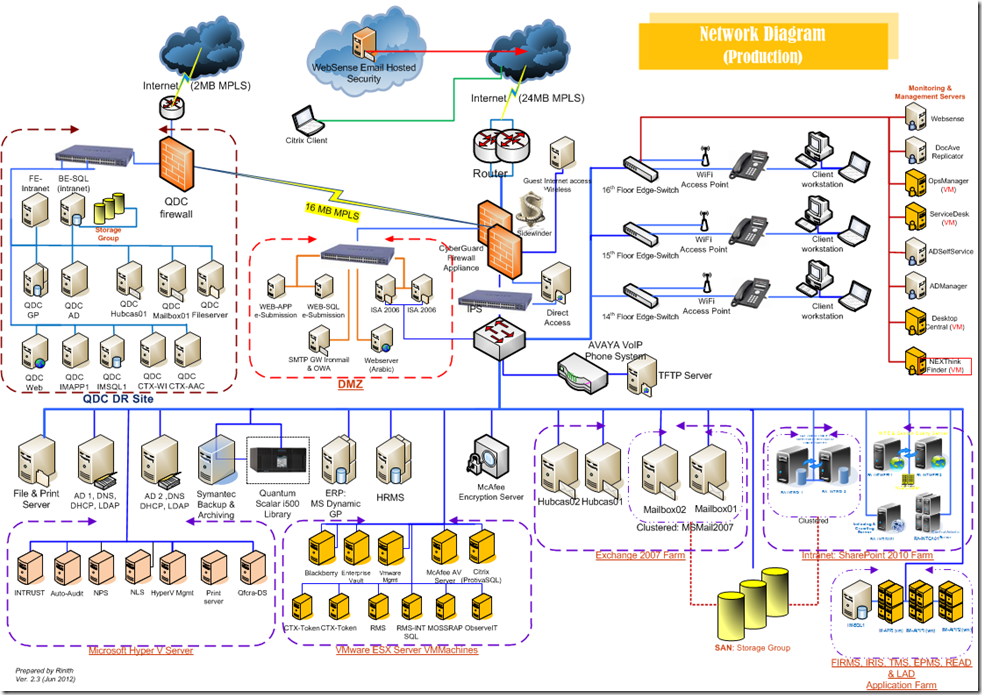
If your network resembles this and you lack PolySysMon, you may experience downtime sooner than anticipated. Sally’s child may inadvertently disconnect the power cord of the router, disrupting the entire network, and the issue will only become apparent when chaos ensues. Alternatively, if the fan fails on the same router, it may soon overheat, resulting in a similar issue. While no one can anticipate Sally’s child, a fan malfunction could trigger a warning that would be detected hours prior to its failure.
How does it work:
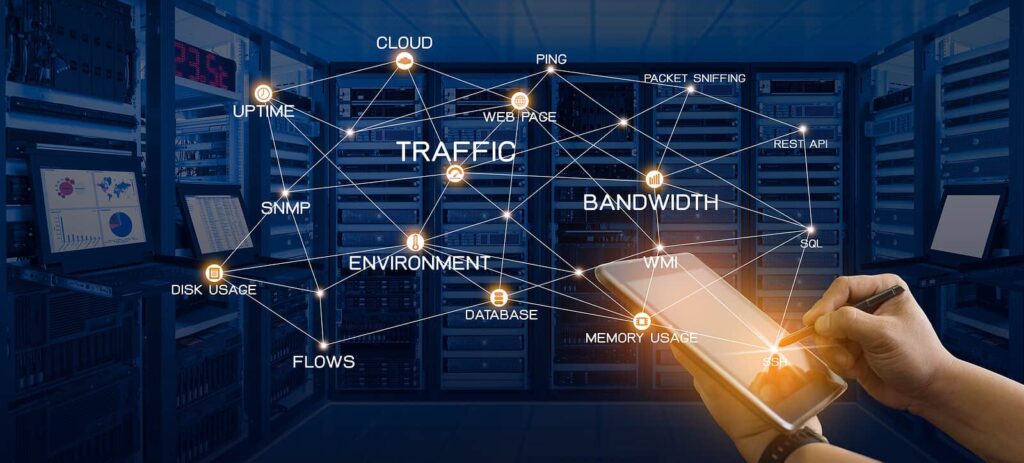
Admins configure two things:
- The againts on where to go, what to collect, and what format such as SNMP, SQL, API, etc.
- The mapping of the JSON fields into the standard Taxonomy.
Stop Managing Tools. Start Orchestrating Them.
PolySaaS gives your team one platform, one subscription, and AI teammates that actually collaborate — not just respond. Built on Google Cloud, powered by Atomic Services.
Examples:
Assume your organization operates three locations and employs 300 personnel. Every individual has at least one computer connected to the network; however, one may additionally possess up to 100 mobile devices, a dozen application computers, and 4 to 5 SaaS applications. Are you cognizant of when a hardware component is nearing failure? Are you cognizant of the systems impacted during a malfunction? Do you have a detailed map of the system’s components? If any of these queries receive a negative response, PolySysMon can furnish that information and exhibit it on your PolySaaS Dashboard. All hardware, systems, Wi-Fi networks, modems, databases, and applications are monitored, with their metrics accessible to both administrators and users.